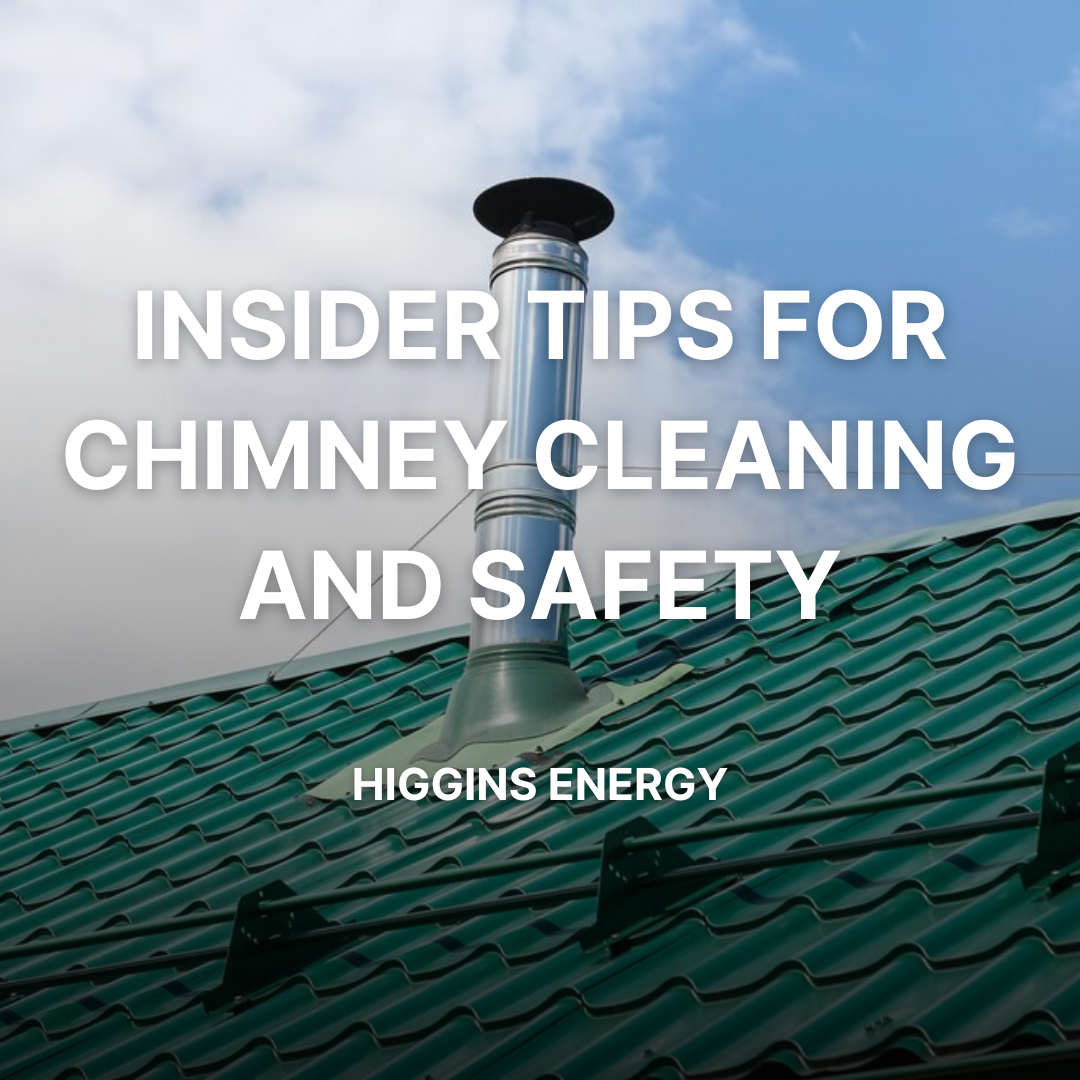
As the crisp air of fall rolls in, there’s nothing better than gathering around a warm, crackling fire. But before you light that first fire of the season, it’s important to make sure your chimney is ready. A well-maintained chimney not only helps your stove or fireplace work efficiently, but also keeps your home and family safe.
At Higgins Energy Alternatives, we want our customers to enjoy the comfort of their stoves and fireplaces without worry. Here’s what you should know about chimney safety this fall:
Signs of a Chimney Fire or Damage
Dirty chimneys can become hazardous rather quickly – especially when a dirty chimney leads to a chimney fire. Chimney fires can cause damage to structures, destroy homes, and can even injure or kill people. Chimney fires have been described as creating:
- Loud, popping, or cracking sounds
- Hot, intense smell
- Dense smoke
Many homeowners can be unaware they’ve even experienced a chimney fire, as the signs were less noticeable or even completely invisible. Undetected chimney fires are just as dangerous because the temperatures can be very high and cause just as much damage, without you even knowing it happened.
The good news is that there are signs you can look for to detect whether you’ve had a chimney fire:
- “Puffy” or “honey combed” creosote
- Discolored and/or distorted rain cap
- Warped metal of the damper, metal smoke chamber connector pipe or factory-built metal chimney
- Evidence of smoke escaping through mortar joints of masonry tile liners
- Cracked or collapsed flue tiles, or tiles with large chunks missing
- Heat-damaged TV antenna attached to the chimney
- Creosote flakes and pieces found on the roof or ground
- Roofing material damaged from hot creosote
- Cracks in exterior masonry
If you experience an active chimney fire, it is best to leave the home immediately and call 911 instead of handling the fire yourself.
What To Look For During a Self-Inspection
Even if you have not had a chimney fire, it’s a good idea to self-inspect your chimney for signs of damage to ensure it is in peak condition. A damaged chimney can become a fire hazard, cause carbon monoxide, and severe problems for your roof.
Signs of chimney damage include:
- Holes and cracks in the crown of the chimney
- Damage around the fireplace or around the chimney on the roof
- Cracks in the flue liner
- Wear and tear on the bricks
- Damage or deterioration on the metal liner around the chimney
- Rust or damage on the firebox or damper
Before you start burning wood or pellets, take a few minutes to visually check your chimney and fireplace:
- Exterior Condition: Walk around your home and look at the chimney from the outside. Check for loose or missing bricks, cracks in the mortar, or leaning. Any visible damage could signal deeper issues.
- Flue Cap & Crown: Make sure your chimney cap is intact. This prevents rain, snow, and critters from getting inside. Also check for cracks in the crown (the top of the chimney).
- Firebox & Damper: Look inside your fireplace or stove for signs of rust, loose bricks, or a damper that won’t open or close properly.
- Signs of Creosote: Shine a flashlight up the flue. If you see a shiny, tar-like buildup (creosote), it’s time to call in a pro. Creosote is highly flammable.
Basic Cleaning Techniques You Can Do Yourself
While deep cleaning should be left to professionals, there are a few simple things homeowners can do to keep their chimney system in shape between sweeps:
-
Ash Removal: Regularly clear out excess ash from your stove or fireplace, leaving a thin layer to help insulate future fires.
-
Glass Doors & Surrounds: Clean soot from the glass doors using a stove glass cleaner or a simple vinegar solution.
-
Keep the Area Clear: Make sure rugs, furniture, and decorations are kept at least three feet from your stove or fireplace for safety.
-
Burn Smart: Only burn seasoned hardwood or approved pellets. Never burn trash, cardboard, or green wood—these create dangerous buildup.
Why You Should Call a Professional Chimney Sweep
Even if your self-inspection looks fine, scheduling a professional sweep at least once a year is one of the most important steps you can take. Here’s why:
-
Fire Prevention: Chimney sweeps remove creosote and soot buildup, which are leading causes of chimney fires.
-
Hidden Issues: Pros use specialized tools and cameras to detect cracks, blockages, or structural issues that aren’t visible to the eye.
-
Efficiency: A clean, well-maintained chimney helps your stove or fireplace burn hotter and cleaner, saving you fuel.
-
Peace of Mind: With a certified inspection and cleaning, you’ll feel confident and safe every time you light your fire.
Higgins Energy Can Help!
Our team at Higgins Energy Alternatives has decades of experience helping homeowners throughout Central Massachusetts stay safe and warm. Our chimney technicians are CCP and CCR chimney certified by the Chimney Safety Institute of America (CSIA), so you can be sure your chimney service is handled by a team of professionals. We offer professional chimney cleaning and inspection services to make sure your system is ready for the heating season.
If you haven’t scheduled your annual chimney sweep yet, now is the time. Contact us today to book your service and enjoy a cozy, worry-free fall and winter.
Call us at (978) 355-6343 or visit us in Barre, MA to schedule your appointment.
