Pellet Stoves

There’s nothing like gathering around a warm fire on a chilly evening – and with a pellet stove, that comfort comes with convenience built right in. Pellet stoves offer the cozy comfort of a real fire, the convenience of modern technology, and deliver steady, efficient heat at the push of a button – all while keeping the charm of a real flame. Designed to burn compressed wood pellets, these stoves provide steady, reliable heat with minimal effort. A pellet stove is perfect for homeowners who want warmth without the constant tending of a wood fire.

Whether you’re looking for a primary heat source or a cozy addition to your living space, it is important to have the right information and knowledge to guide you through your decision. On this page, we have gathered everything you need to know: the benefits and features of pellet stoves, how to choose the right pellets, helpful articles, and a look at some of our most popular models.
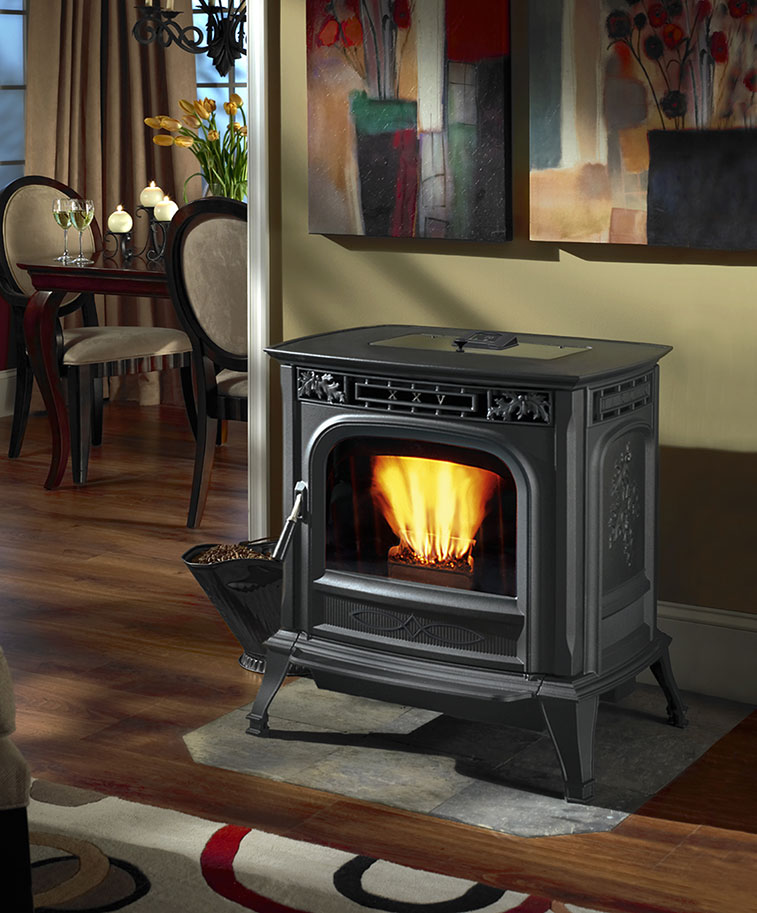
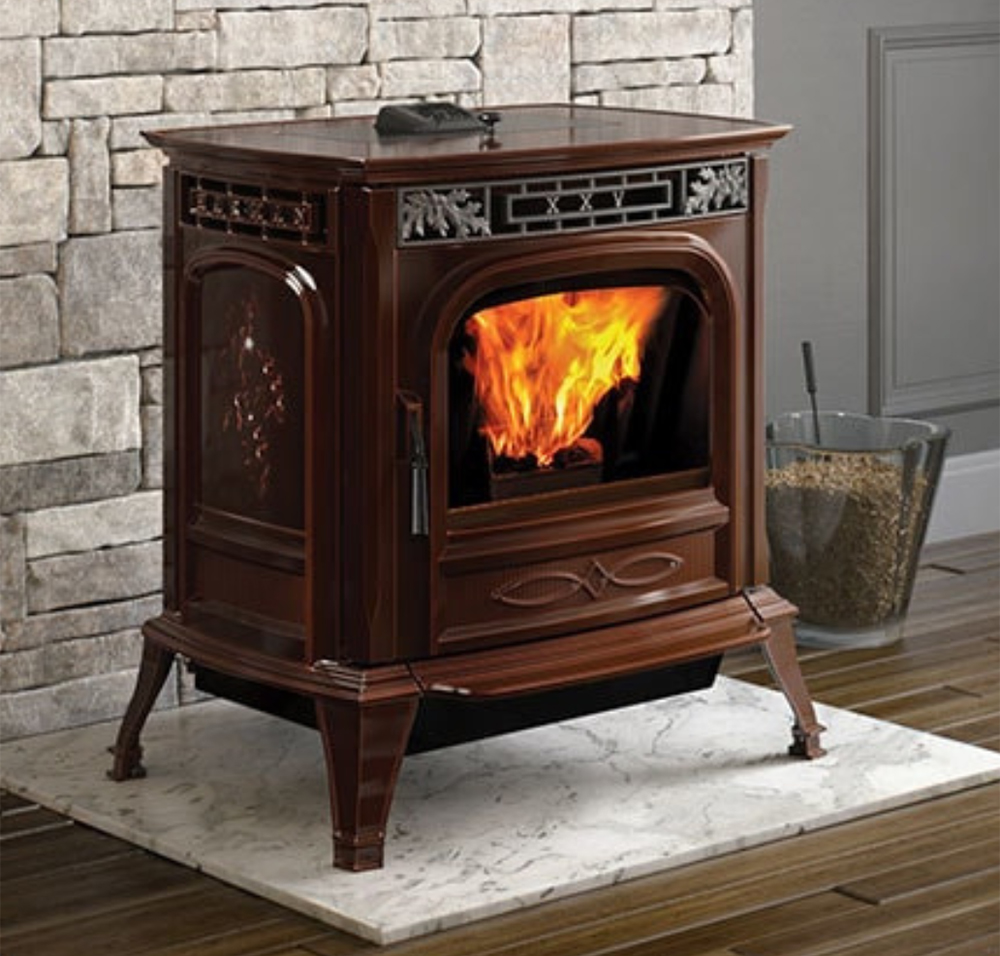
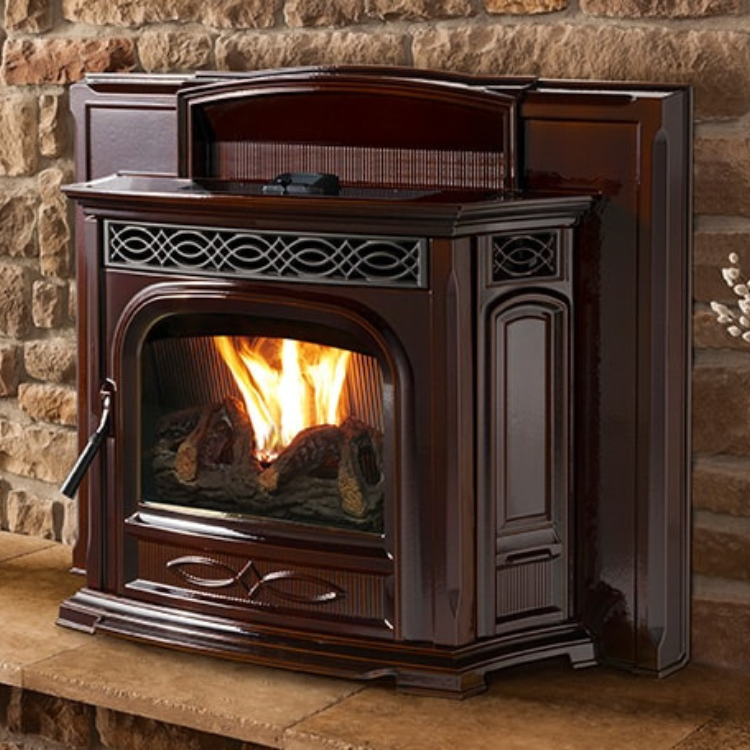
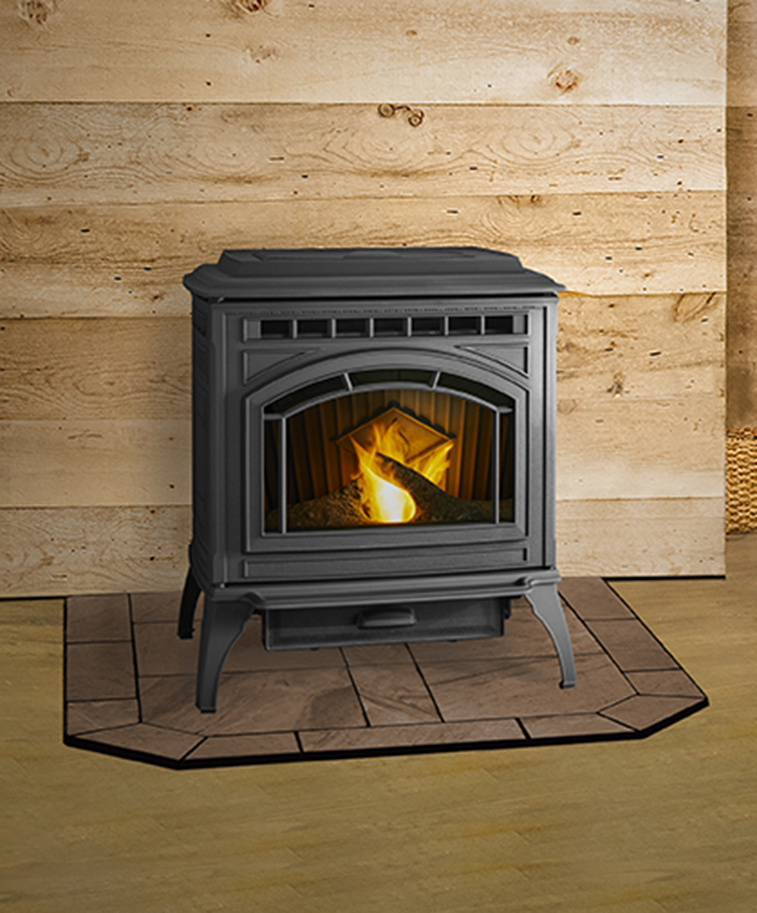
Harman XXV-TC Pellet Stove

Why Choose a Pellet Stove?

Why should you consider a pellet stove? Heating your home with a pellet stove has many benefits, including:

CONVENIENCE

Pellet stoves operate quietly and are easy to use – just pour a bag of pellets into the hopper and press the automatic ignition button!

ECO-FRIENDLY

Pellets are made from recycled wood waste, which makes them natural, renewable, and clean burning with low carbon emissions.

AFFORDABILITY

Pellet fuel costs less than oil or gas, and the installation of a pellet stove costs less than other heating appliances because of its simple ventilation setup.

COMFORT

Wood pellets produce long lasting heat and pellet stoves have a convenient thermostat that maintains set temperature with the added ambiance of a real flame.

Types of Pellet Burning Heaters

Pellet burning home heaters come in two main types of builds: pellet stoves and pellet inserts. Understanding the different types of pellet appliances can help you choose which model will fit your home best.

Harman XXV TC Pellet Stove

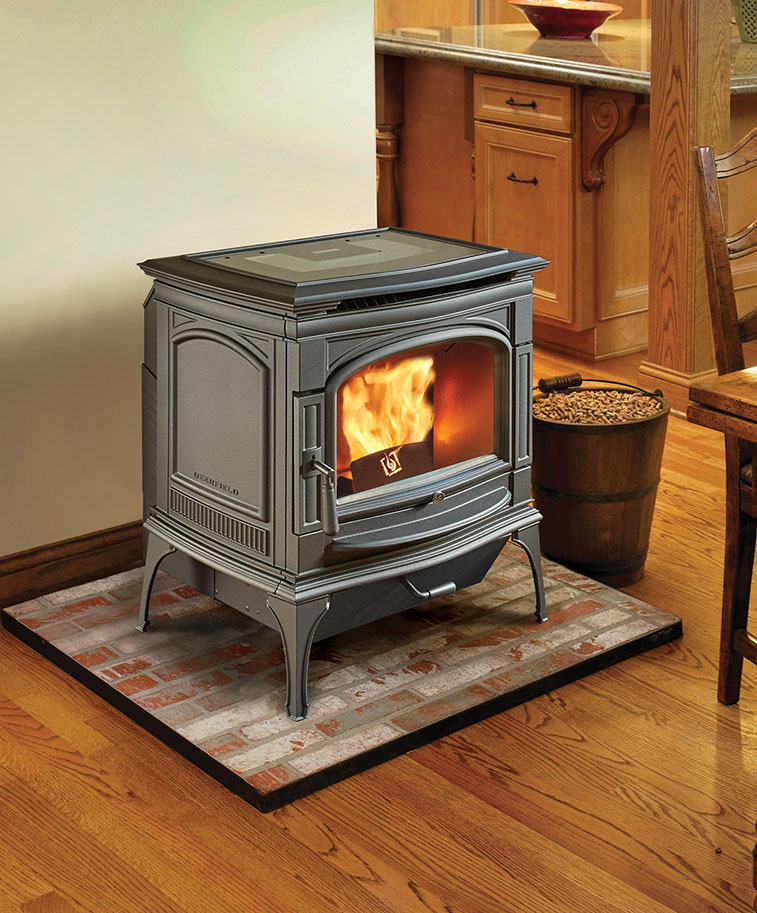
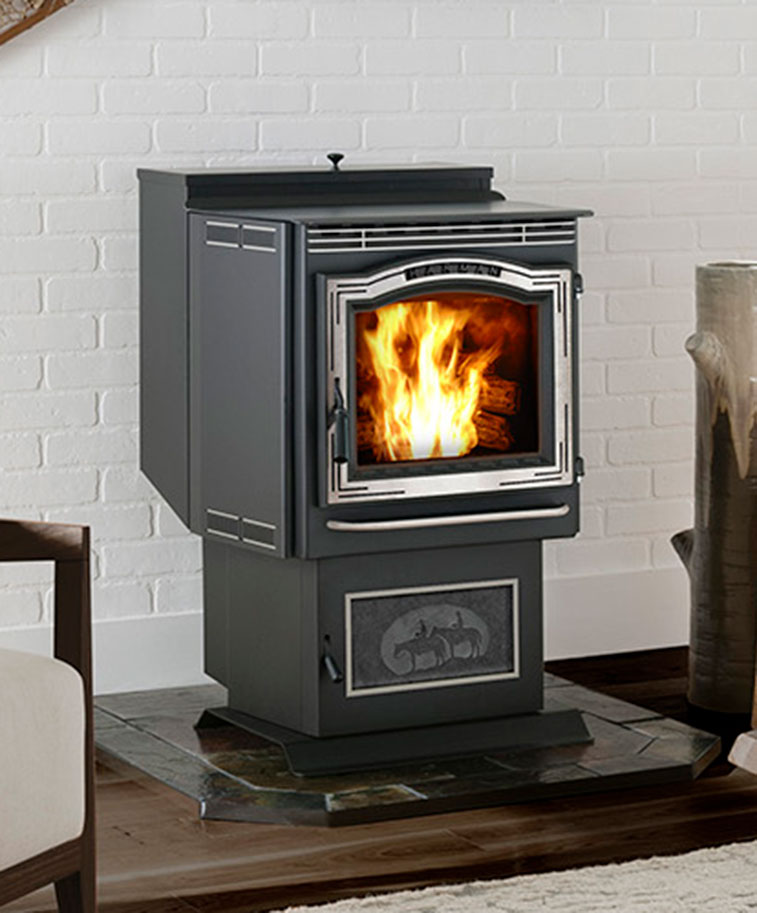
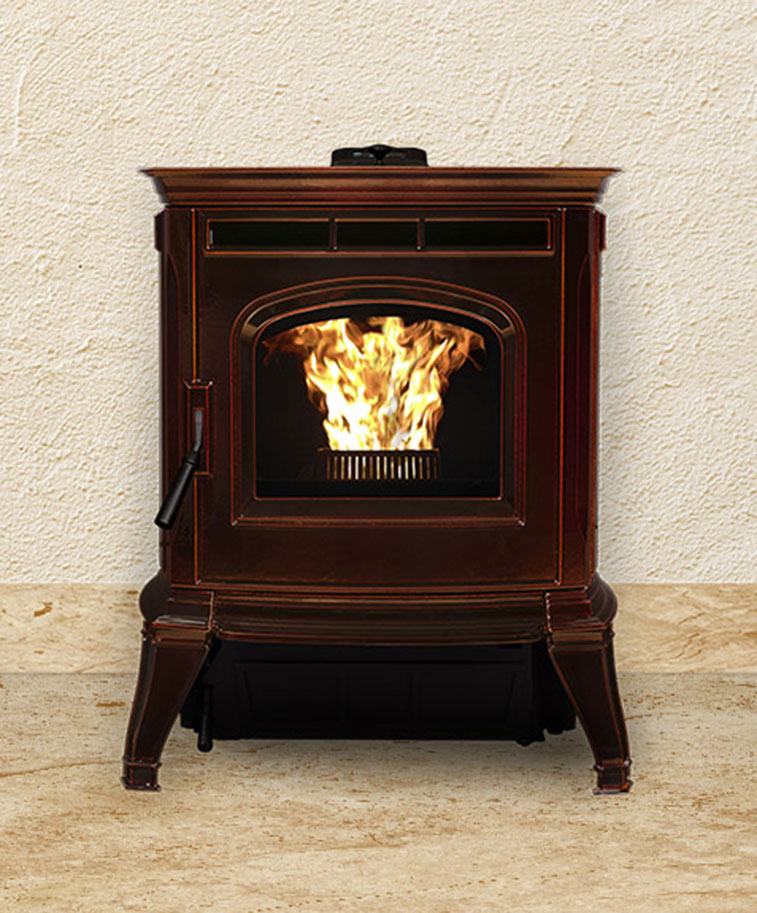
Pellet Free Standing Stoves

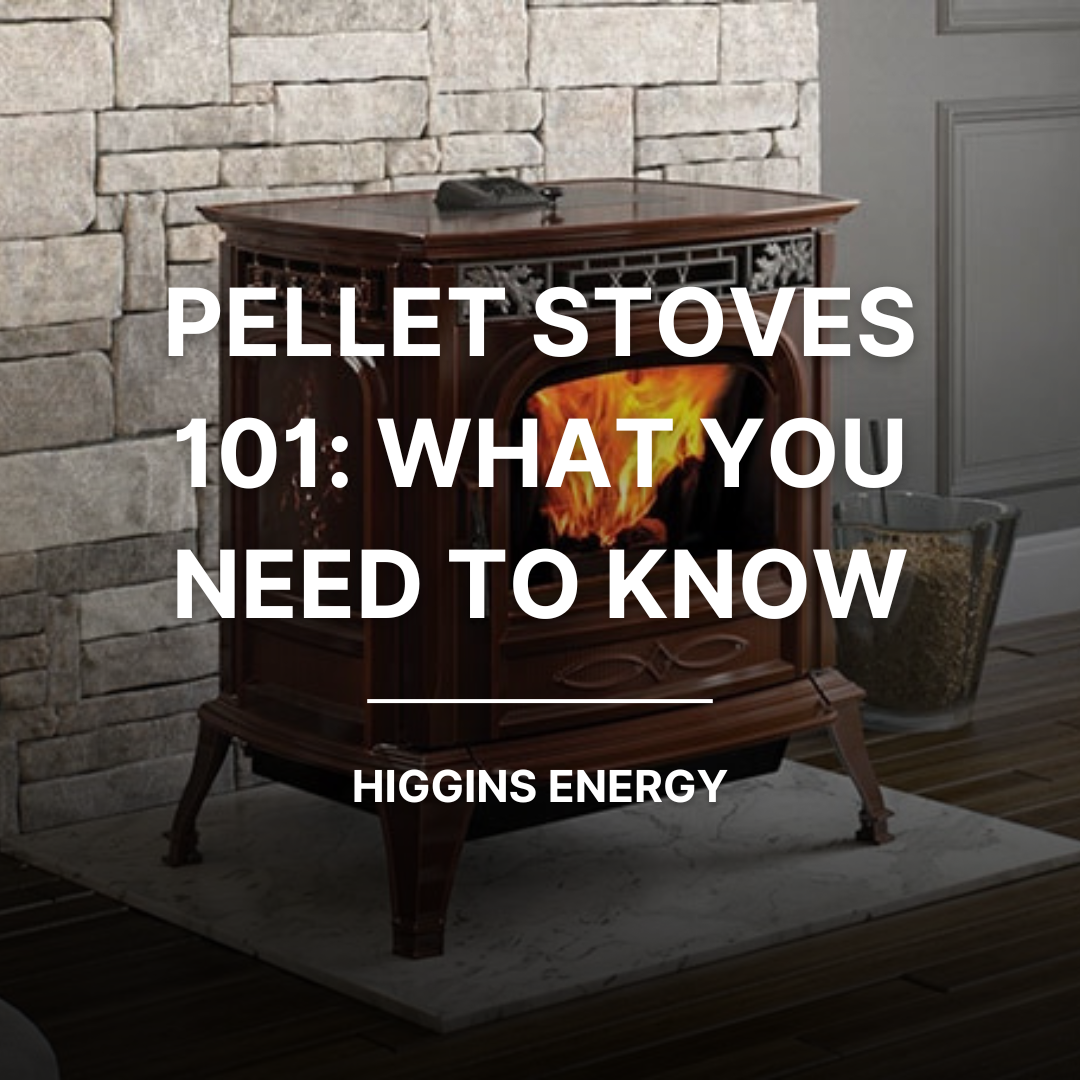
A free-standing pellet stove is placed directly in a room and vented through a stovepipe. It’s ideal for heating main living areas while adding a cozy focal point. Pellet stoves are easy to use – just pour a bag of pellets into the hopper and press the automatic ignition button! The hopper feeds the pellets into the burn pot, where they will then burn at a steady rate based on the desired set temperature.

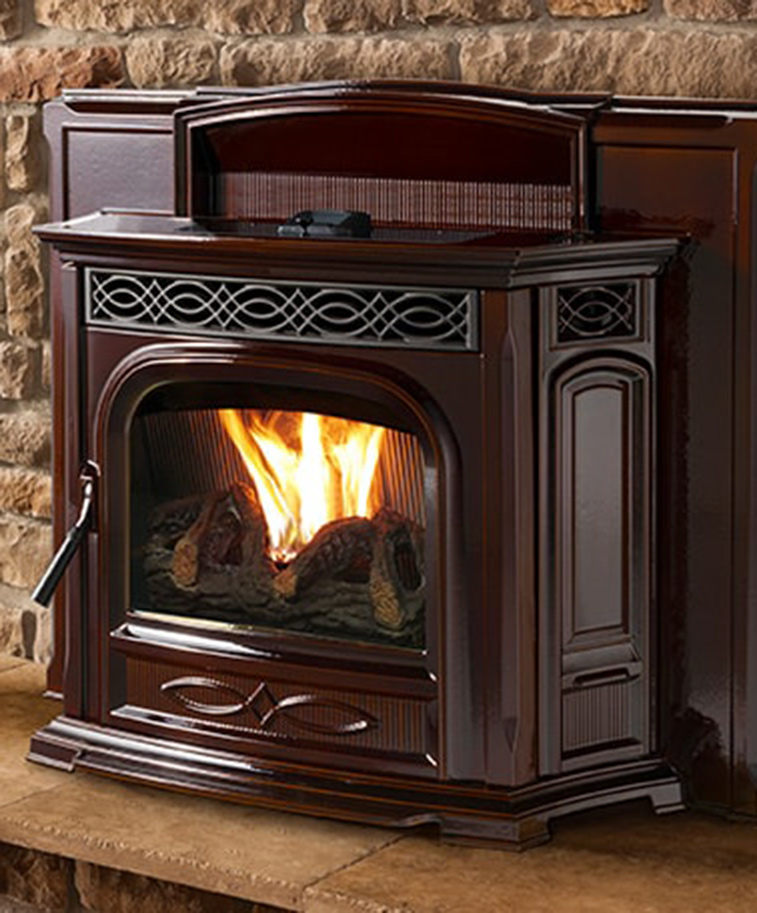
Harman Accentra 52i-TC Pellet Fireplace Insert

Pellet Fireplace Inserts

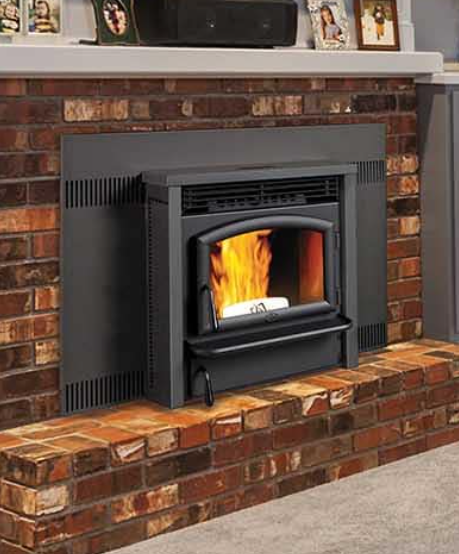
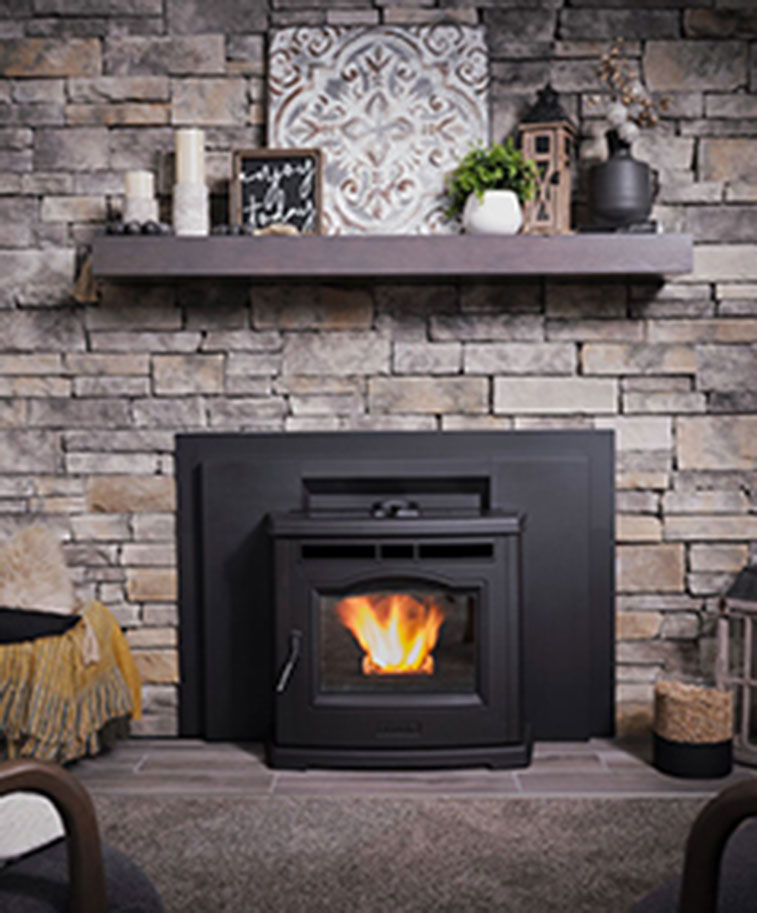
A pellet insert is comparable to a pellet stove—it has a hopper that holds the pellets, an auger that feeds the pellets into the combustion chamber and a fan that blows warm air into the room to distribute the heat. The biggest difference is a pellet insert is designed to fit inside an existing open fireplace and is vented through a chimney, as opposed to a freestanding unit that is vented through wall or ceiling.

Important Things To Know

Many pellet stove owners purchased their pellet stove because of their cost-savings, convenience, and environmental benefits. We’ve outlined a few other important things to know when considering a pellet stove below.

PROPER VENTING

Venting is an essential element that aids in the efficiency and safety of operating a pellet stove by eliminating smoke and debris from the stove.

ELECTRICITY IS REQUIRED

A pellet stove will not operate without electricity of if you lose power. Having a generator on hand in case of a power outage may be something you wish to consider.

WOOD PELLETS AND STORAGE

Like storing firewood, if you order your pellet fuel in bulk by the ton, you will need a cool, dry space to store the pellets.

REGULAR MAINTENANCE AND CLEANING

Both your stove and your venting will work more efficiently, stay cleaner, and last longer when they are properly maintained and cleaned.

How To Choose Wood Pellets

Whether you have recently purchased a pellet stove for the coming winter season, or if you’ve been burning pellets for years, we’ve done the research to put your questions to rest and help you choose the best pellets for your home. The main factors to consider when selecting and purchasing pellets are type of wood, BTUs (the heat output), and ash content.

Different Wood Pellet Types

SOFTWOOD VS. HARDWOOD

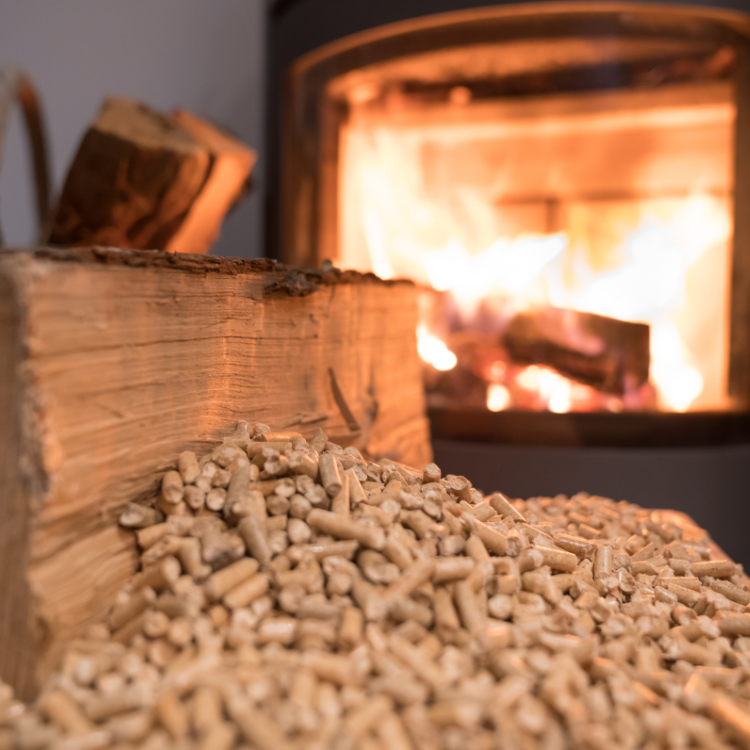
Pellets come in softwood, hardwood, or blends and are made from compressed wood particles. The type of wood used can either be used consistently, or blended. Once compressed, both hardwood and softwood pellets end up with a similar density.

The type of wood does not make much of a difference if you have a quality pellet stove with good air flow. The real thing to look for in your type of pellet is the quality of the wood, ensuring that the pellets you choose are made of real wood.

Wood Pellets Burning Into Ash

ASH CONTENT

The ash content of your pellets measures the output of ash during the burning process based on the percentage of weight. Ash content should measure less than 1% of the total weight of the pellets. A low ash content means you must clean your stove less often since it puts out less ash, which is a factor that many pellet stove owners consider very highly.

BTU’S (HEAT OUTPUT)

BTU means “British Thermal Unit,” which measures energy. The BTU’s of your wood pellets, in essence, is the measurement of heat output.

The measurement of pellet BTU’s ranges on average from 8,000 – 8,900 BTU’s per pound. How many BTU’s do you need to heat your home? It will depend on your insulation, the space you are trying to heat, and several other factors. You can use this BTU Calculator from We Love Fire to measure your space!

Pellet Stove FAQ’s

Check out some common answers to frequently asked questions about pellet burning stoves. Have another question we haven’t answered yet? Contact us – we’re here to help!

All pellet stoves have a fuel hopper, which is like a basin that holds the wood pellets to be burned. The hopper then feeds the pellets into a combustion chamber called a “burn pot” via an electric auger where the pellets burn and produce heat.

Overall, pellet stoves are very easy to use, which is one of their best benefits. Using the stove is as simple as turning it on, setting the temperature, pouring in a bag of pellets, and walking away.

The basic maintenance of a pellet stove is very simple and does not require much time.

  • Adding pellets to the hopper
  • Scraping the burn pot
  • Removing ashes from the ash pan
  • Cleaning the stove glass

On top of the regular cleaning and maintenance you can do yourself, it is highly recommended that you get your pellet stove professionally cleaned annually.

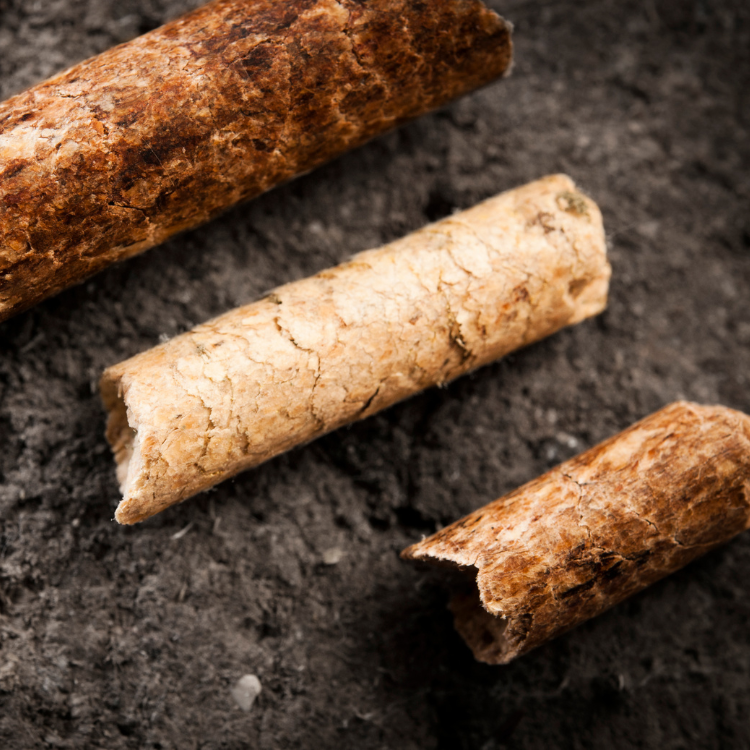
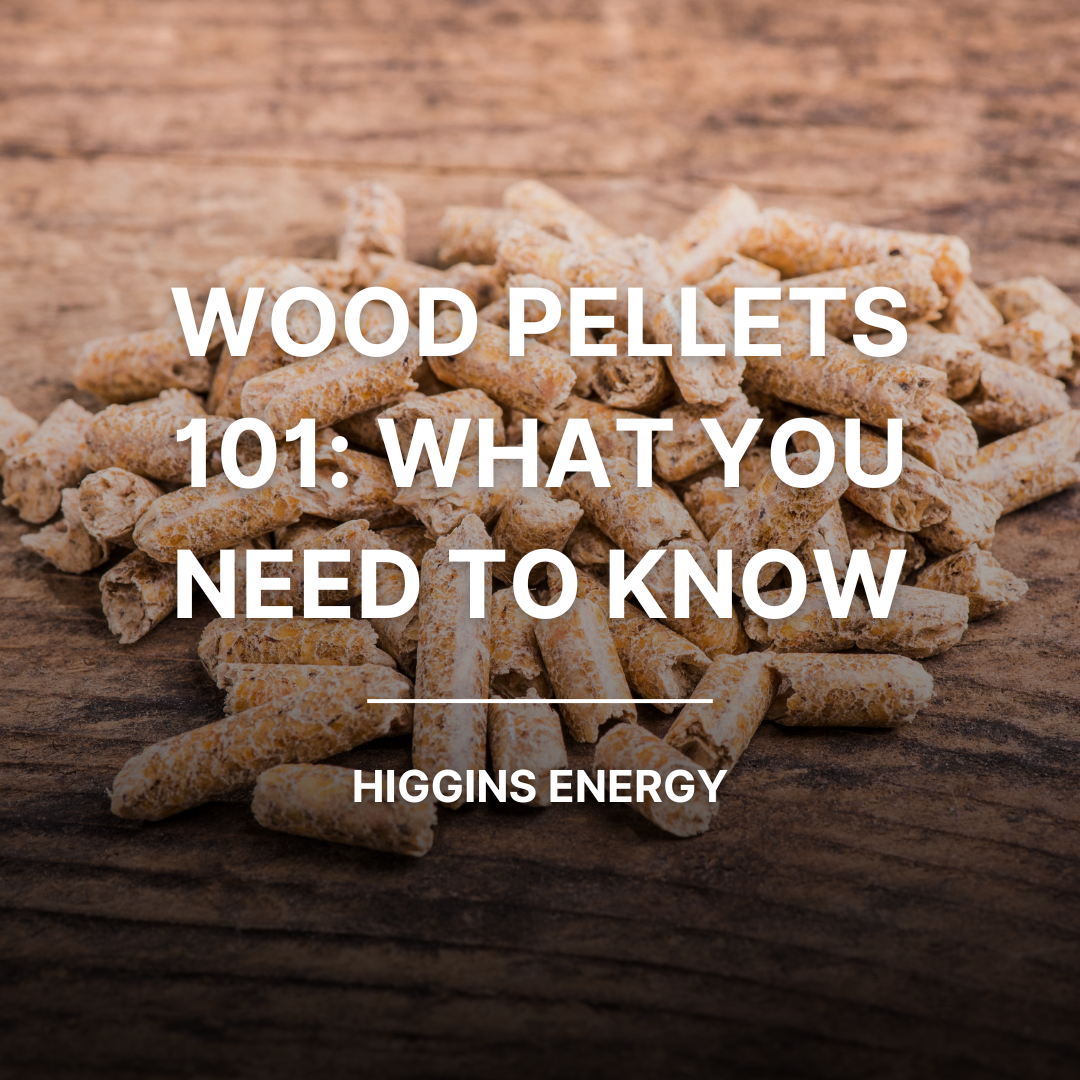
Wood pellets are made from sawdust and/or other wood waste. The raw material is pressed and then dried to a consistent moisture level, usually below 5%. There are no glue or adhesives used – they are simply dried and pressed to hold shape.

One ton of wood pellets is equal to 119 gallons of oil, or about 1 1/4 cords of firewood.

The average cost of purchase and installation for a pellet stove ranges between $3,000 and $8,000, depending on the stove purchased and the materials required for installation and venting. The final price tag of your project depends on your current layout and the complexity of the installation.

To understand the projected cost of your pellet stove installation project, get a free estimate from our team by calling 978-355-6343 or clicking here. This way, you can choose a stove that fits your price range and we will estimate what your project will cost without all the hidden fees and guesswork.

Yes, but you do not need a full chimney. Pellet stoves do need to be vented to the outside, but this can be done with a special pellet vent pipe in a short configuration. As little as one foot of horizontal pipe is acceptable, however we recommend that at least 4 feet of vertical pipe be used in order to assist in providing a draft in the event of a power outage.

Pellets come in softwood, hardwood, or blends and are made from compressed wood particles, so a quality pellet stove will burn any grade of pellets easily.

Unlike wood stoves, you can burn either hardwood or softwood pellets in a pellet stove and notice little to no difference. It is more important to buy a premium wood pellet than to worry about the type of wood. A premium wood pellet will assure a quality product with less than 1% ash content.

The glass on your stove will become dirty after a few fires. It will also become dirty if burning slowly or if adequate air flow and draft is not available. Professional grade, non-ammonia glass cleaners are available for purchase at Higgins Energy that will not harm your stove glass.

Spray the inside and outside of the glass with a non-ammonia wood stove grade glass cleaner and wipe using a paper towel. If you do not have a non-ammonia wood stove grade glass cleaner, you can dip a wet paper towel into the ash inside the stove and wipe it directly onto the inside of the glass. Ash is abrasive and corrosive, so it will break down any residue on the inside of your stove glass.

IMPORTANT NOTE: ONLY use a non-ammonia glass cleaner to clean your pellet stove glass! The heat from the stove will cause residue from an ammonia-based cleaner to be permanently “etched” onto the stove glass that is then impossible to remove. The alkaline properties of ammonia are too harsh for high-temperature surfaces and can lead to irreversible damage, discoloration, and streaks.

Yes – in order to operate and burn a pellet stove, an electrical connection is required. Pellet stoves will not operate without electricity.

You can either use a battery backup or a generator to run your pellet stove in case of a power outage. Just remember to use a surge protector at all times!

Shop Best-Selling Pellet Stoves

Shop our best selling pellet stove models from top brands below.

Request A Quote

Fill out the form below to get more information about pellet stoves from our team. We will reply as soon as possible.

    This site is protected by reCAPTCHA and the Google Privacy Policy and Terms of Service apply.